

Blazy arrived at Chanel with a solid sartorial CV. In 2007, straight out of design school, he was hired by Raf Simons, remaining with the brand until 2011. During that same period, he was also designing at Maison Martin Margiela, working across the avant-garde “Artisanal” line and women’s ready-to-wear. Then, from 2014 to 2016, Blazy was a senior designer at Celine under Phoebe Philo, before moving to Calvin Klein (2016–2019). He then joined Bottega Veneta, first as design director (2020–2021) and then as creative director from 2021 to 2024.
At Bottega Veneta, Blazy was widely credited with revitalising the heritage house. Accessories like the Sardine, Andiamo and Kalimero bags became iconic, while his collections celebrated the brand’s fusion of traditional Italian craftsmanship and innovative leather techniques. Layered with broad cultural references, his work has attracted industry respect (hello, Chanel) and an eclectic, incredibly dedicated fanbase.
You can trace the influence of the designers Blazy has worked alongside in the design signatures he has developed: a focus on craftsmanship, elevated everyday staples, and a kind of intellectual luxury – a blending of innovation with a deep respect for heritage techniques. His work carries a pragmatic fantasy: high-fashion pieces that are functional, comfortable and technically complex, infused with a playful sense of whimsy.

It is normal that a changing of the guard will invite some criticism. Blazy’s debut and sophomore collections for Chanel have proven somewhat divisive, particularly among loyal long term Lagerfeld-era clients who argue that he has strayed too far from the house codes.
So what are “house codes”? They are the recurring design motifs that define a brand’s visual identity. At Chanel, these codes were established by Coco Chanel and reinforced by Karl Lagerfeld, forming a kind of visual vocabulary that makes Chanel instantly recognisable, regardless of season or trend.
Among the most iconic:
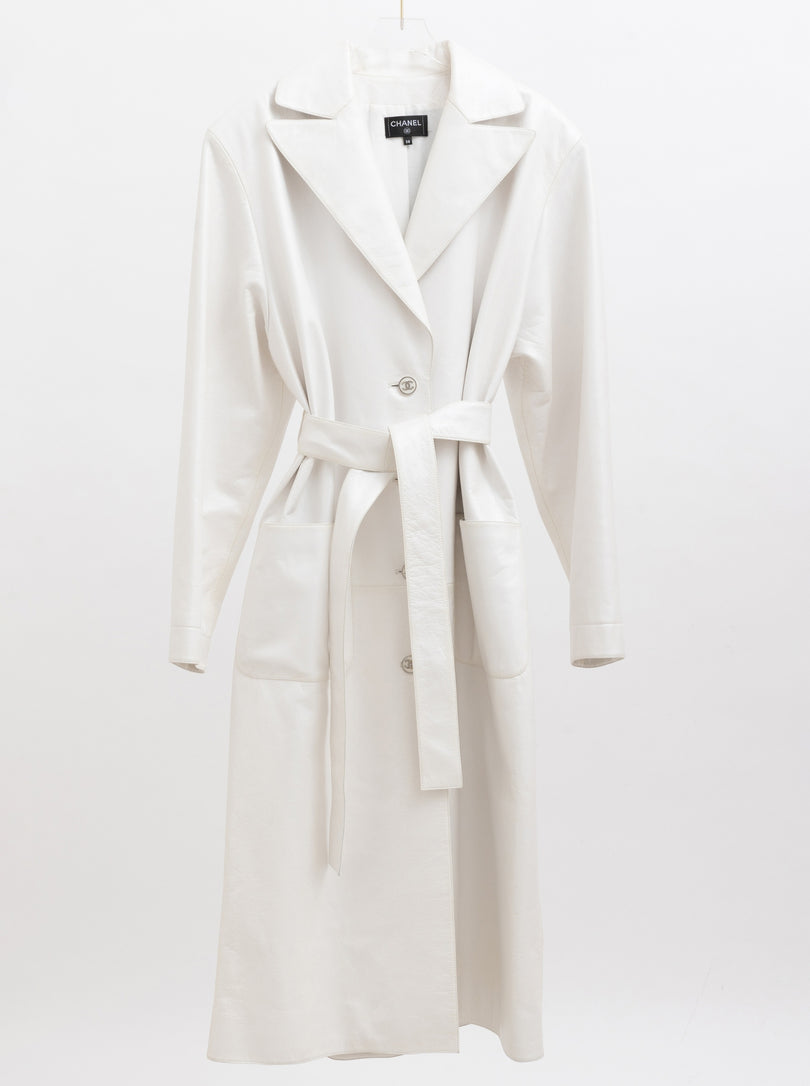
The interlocking CC lock
Matelassé quilted leather
Tweed tailoring
The camellia flower
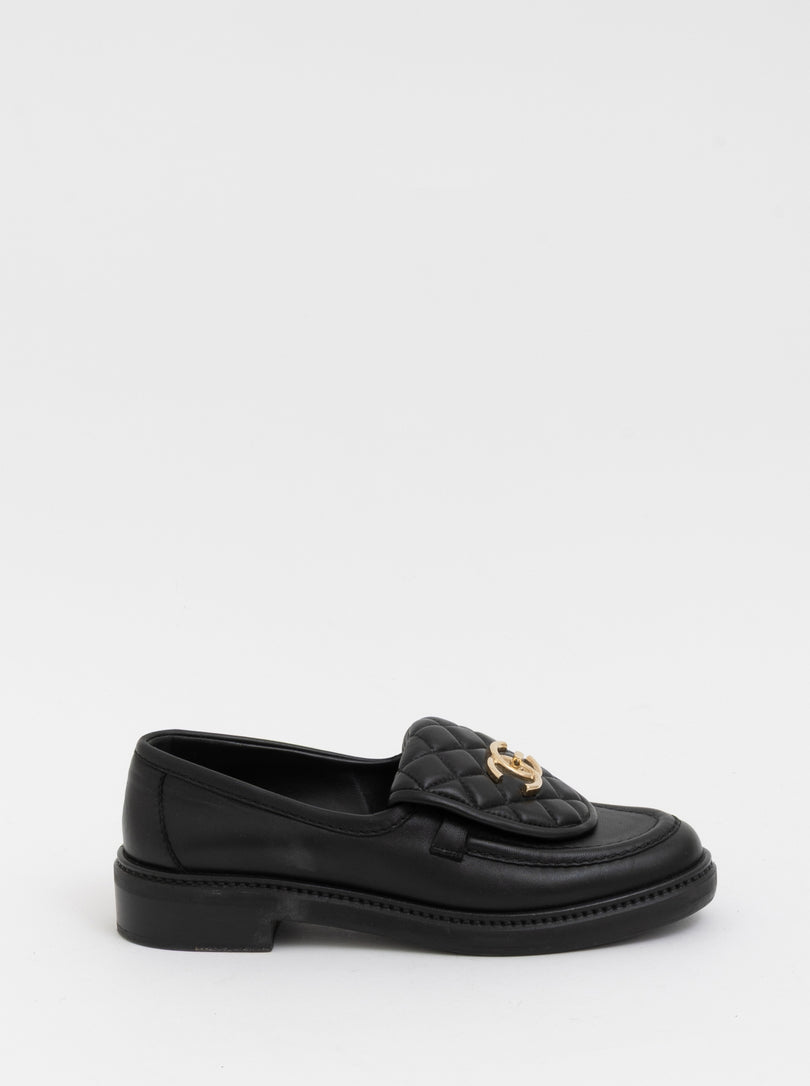
Two-tone shoes
Pearls
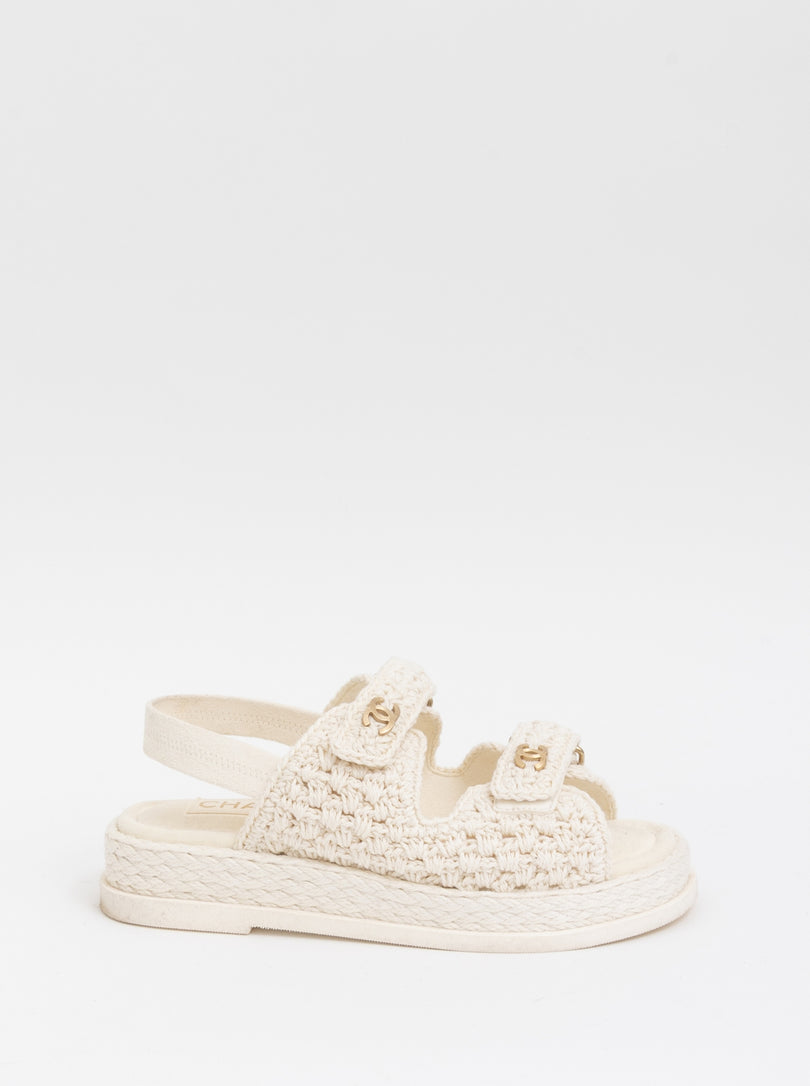
Leather-woven gold chains
The lion and celestial motifs (Coco Chanel was a Leo)
While both Lagerfeld and Virginie Viard interpreted these codes in their own way, "Chanel the brand" has certainly never been difficult to identify.
Lagerfeld once said:
"My job is not to do what she did, but what she would have done. The good thing about Chanel is it is an idea you can adapt to many things."
Which, ultimately, is the criticism being levelled at Blazy: it’s different.
But it feels unreasonable to measure this “new” Chanel solely against the Lagerfeld/Viard era, because that is, realistically, all we have ever known Chanel to be. Lagerfeld’s Chanel was an interpretation – an extraordinarily successful one – but an interpretation nonetheless.
Blazy’s vision – a tomboyish-nonchalant-chic-feminine expression – arguably looks back directly to Chanel herself. Coco Chanel revolutionised 20th-century fashion by prioritising comfort, functionality, and minimalism, replacing restrictive corsets with fluid, androgynous silhouettes, introducing smart tailoring and swapping out cumbersome hand-held bags for the innovative (now iconic) shoulder bag.
In fact, in interviews with Vogue Business of Fashion, Chanel’s president of fashion, Bruno Pavlovsky, made it clear that part of the appeal of Blazy was indeed to shake things up and push the boundaries. And, dissenting voices aside, that strategy appears to be working. Matthieu Mania is upon us. The release of Blazy’s first collection in stores triggered near-hysteria: people queued for hours in Paris and New York in freezing temperatures; with social media hauls and unboxings racking up anywhere from thousands to millions of views.
From first-time Chanel buyers to long-time collectors, everyone has *something* on their wish list – a pair of two-tone pumps, a Croc Illusion shopping tote, or THE cropped jacket that opened the Autumn/Winter 2026 ready-to-wear show.
 Whether you’re a fan or not – and for the record, we are, big time – it’s refreshing to see fashion provoke this level of excitement across such a broad audience. To see people engage not just with a product, but with authorship, direction and the curation of style is really inspiring.

So where does pre-loved Chanel enter the conversation?
As retail prices continue to climb, the resale and vintage market offers a compelling point of entry – or expansion – for collectors. More importantly, when designers revisit the archives and reissue or reinterpret past designs, it tends to validate the originals, often driving their value upwards.
For buyers, it’s an opportunity to secure pieces with both cultural and financial longevity. For sellers, it may be the ideal time to realise returns.
Bags to watch out for:
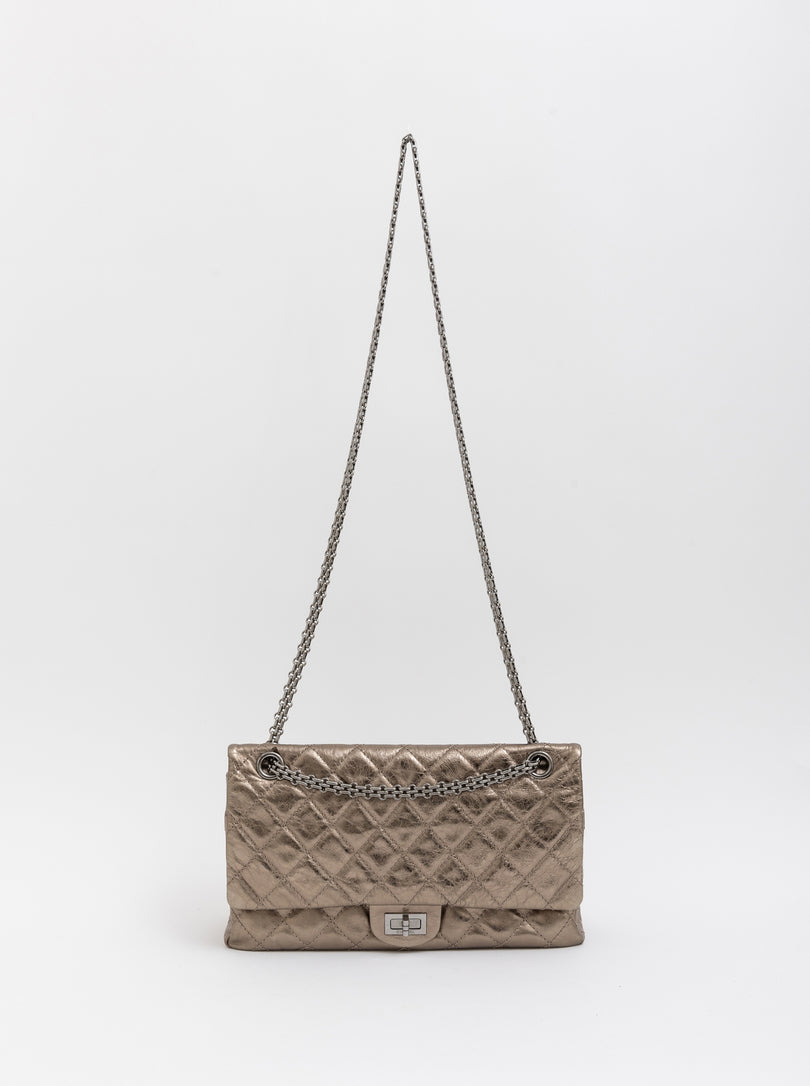
2.55 Reissue: redesigned with draped, bolder chains and available in beige or black quilted lambskin.
Chanel 2026 Slouchy Flap: a softer, un-quilted interpretation of the classic flap, often in smooth leather, styled as an unofficial "briefcase".
Large Shopping Bag: a massive, unlined calfskin tote, characterised by its slouchy, functional shape.
Trapeze Bag: a vintage shape with triangular gussets and a prominent CC logo, available in smooth leather and, in some versions, classic quilting.
Preppy Coco: A design brought back into the rotation within the 26S collection.
And a revamped mash-up of the iconic Cerf Executive Tote and Supermodel Tote, debuting a new east-west, slimline tote bag.
If Blazy’s Chanel continues on this trajectory – balancing disruption with reverence – it won’t just reshape the future of the house. It might even redefine how we value its past.